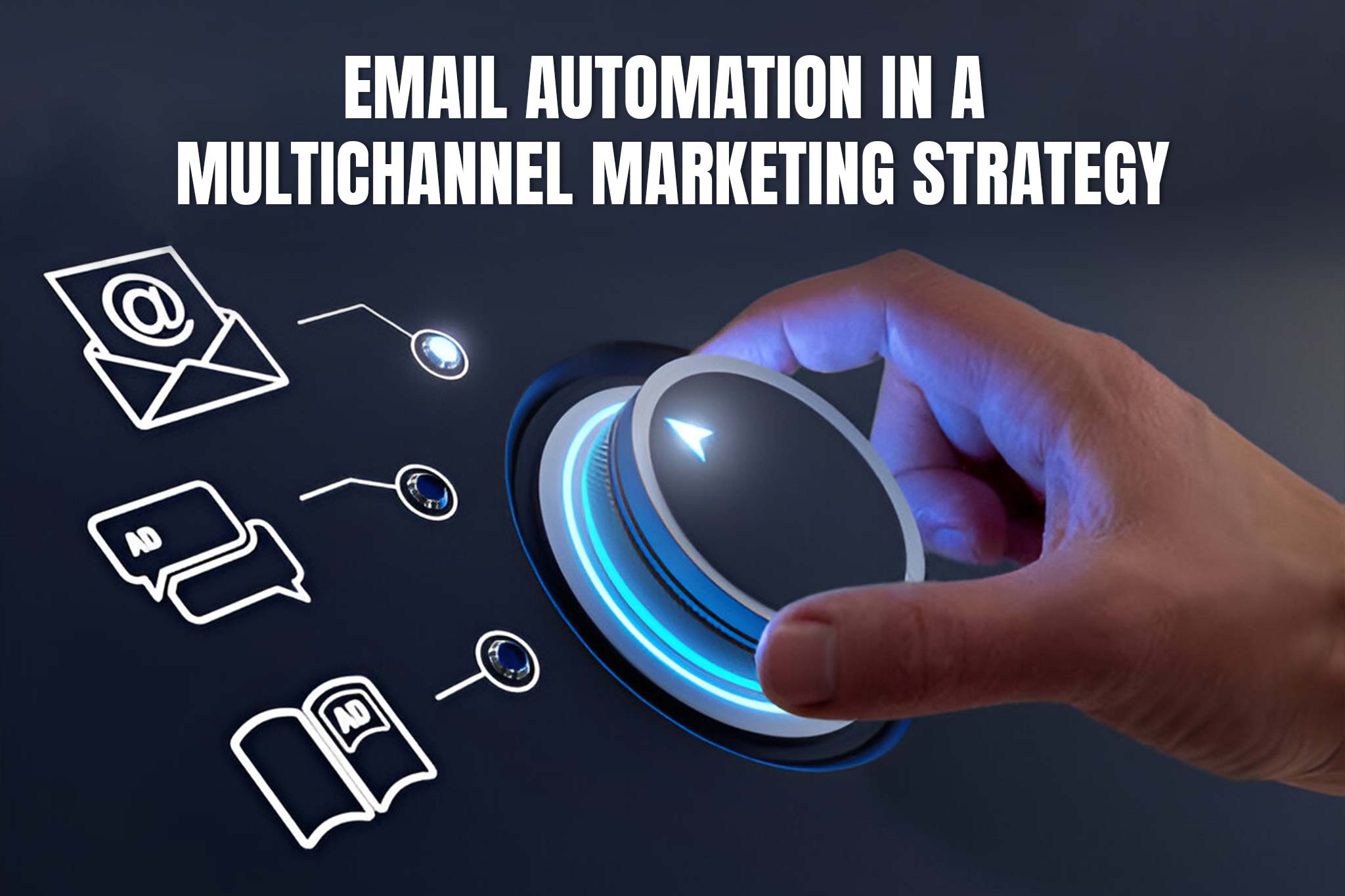
In today’s fast-paced digital landscape, businesses are increasingly relying on email automation as a core component of their multichannel marketing strategy. Email marketing, when automated, allows businesses to send targeted and timely messages to the right audience at the right time, without the need for manual intervention. But how does email automation fit into the broader marketing picture? And how can businesses use it effectively across multiple channels? Let’s explore.
Email Automation Explained
Email automation refers to the use of software tools to send pre-scheduled emails to specific groups of people based on certain triggers. These triggers could include actions like a website visit, a purchase, or even subscribing to a newsletter. With the right tools, businesses can automate everything from welcome emails to abandoned cart reminders and post-purchase follow-ups.
The beauty of email automation lies in its efficiency. Automated emails ensure that you’re always engaging with your audience at the right moment. Whether you’re using email marketing automation services or free email automation services, the ultimate goal is to improve customer engagement, streamline communication, and drive results.
Why Email Automation Is Essential for Multichannel Marketing
Email automation doesn’t exist in a vacuum. It plays a crucial role within a multichannel marketing strategy, which encompasses various platforms and mediums like social media, SMS, search engines, and more. Here’s why integrating automated email marketing services is vital to achieving success in a multichannel strategy:
1. Seamless Customer Experience Across Channels
With customers interacting with brands on multiple platforms, it’s important to ensure a seamless experience. Email automation allows businesses to send relevant messages across different stages of the customer journey, all while maintaining consistent branding and messaging.
For instance, a customer may first interact with your brand through an ad on social media, sign up for your newsletter, and then make a purchase. Through customer service email automation, you can ensure that no matter where they are in the journey, they receive personalized, timely messages. Whether it’s a welcome email, a financial services automated email with transaction details, or an abandoned cart reminder, email automation keeps customers engaged.
2. Timely and Relevant Messaging
One of the best things about email automation is its ability to send messages at precisely the right time. Whether it’s an automated email response, customer service message confirming a support ticket, or a promotional email sent right after a customer browses a product on your website, automated emails ensure that your messaging is always timely and relevant.
For example, automated customer service auto reply email examples can instantly acknowledge a customer’s query, while customer service automated email response examples can follow up with a more personalized message or resolution, reducing response time and improving overall satisfaction.
3. Improved Efficiency and Cost-Effectiveness
Manual email campaigns are time-consuming and labor-intensive. By utilizing email marketing automation services, businesses can streamline their email marketing efforts, saving both time and money.
Setting up email workflows for different stages of the customer lifecycle ensures that customers receive valuable information. Additionally, alternatives to email workflow like text or push notifications can further complement your strategy by reaching customers on their preferred channels.
How to Implement Email Automation in a Multichannel Strategy
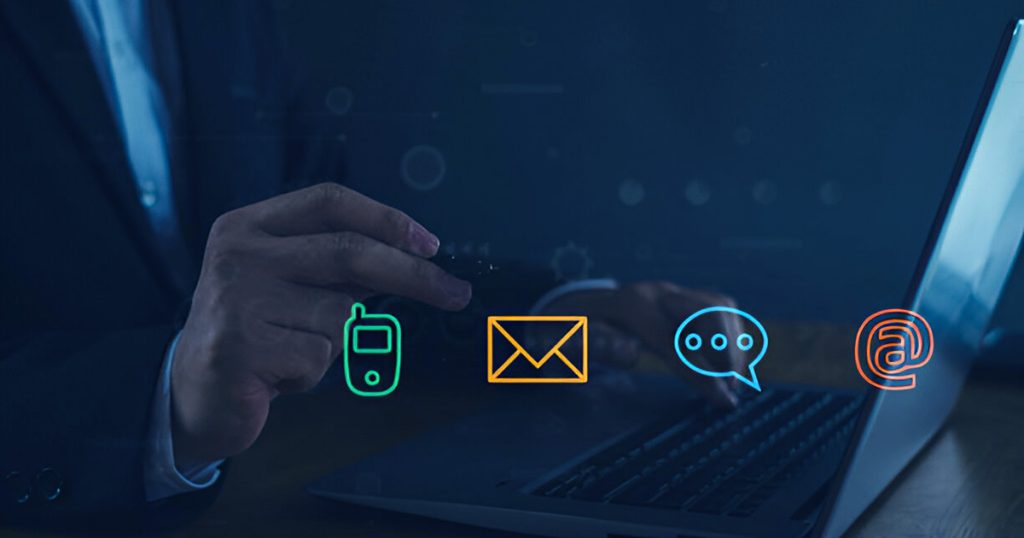
Now that we’ve established why email automation is essential, let’s look at some practical steps to implement it within your multichannel marketing strategy.
1. Integrate with Other Marketing Channels
Your email automation should not be isolated from other marketing channels like social media, SMS, and website interactions. Email deployment should be coordinated with your broader marketing efforts. For instance, an abandoned cart email can be triggered after a customer leaves your website. But you could also follow up with a retargeting ad on Facebook or a personalized SMS message.
To achieve this integration, ensure your email marketing software for agencies or your email marketing SaaS (Software-as-a-Service) tools have strong integration capabilities. These platforms should seamlessly connect with your CRM, website, social media platforms, and even your SMS system.
2. Use Segmentation to Personalize Emails
Segmentation is a powerful feature that makes email automation even more effective. By dividing your email list into smaller, more specific groups, you can send highly targeted messages to each segment. For example, you could segment your list based on demographics, purchase history, or engagement level.
Personalization is a key factor in increasing email open rates and conversions. By using email automation services, you can set up customized email campaigns that speak directly to each subscriber’s needs. For example, automated email services can send specific offers based on the customer’s previous interactions or purchases.
3. Measure, Test, and Optimize
To ensure your email automation strategy is delivering the best results. It’s essential to continuously measure performance and test different approaches. Metrics such as open rates, click-through rates, and conversion rates can give you valuable insights into what needs improvement.
Many email marketing automation services provide A/B testing capabilities that let you test subject lines, email content, CTAs (Call-To-Action), and more. Continuously optimizing your emails based on these insights helps you refine your strategy for maximum impact.
4. Leverage AI and Automation Tools
In 2025, the best email services are increasingly incorporating artificial intelligence (AI) to take automation to the next level. AI can help you personalize emails even further by analyzing customer data and behavior .
For example, AI can help craft subject lines that increase open rates or dynamically adjust content based on user preferences. If you are looking for best email service 2025, AI-driven tools can offer advanced capabilities like predictive analytics.
Practical Examples of Email Automation in Action
To make this more concrete, here are some customer service automated email response examples in the context of different scenarios:
- Automated Welcome Email: As soon as a customer subscribes to your newsletter, a welcome email is triggered, welcoming them to the community and offering a discount code or useful resources.
- Order Confirmation: After a purchase is made, an order confirmation email is automatically sent, providing the customer with order details, shipping information, and the expected delivery time.
- Abandoned Cart Email: If items are added to the cart but the purchase is not completed, an automated reminder email is sent.
- Support Ticket Acknowledgment: When customer service is contacted, an automated email response is sent, acknowledging the query, providing an estimated response time, and assuring that the request is being processed.
The Future of Email Automation in Multichannel Marketing
As technology evolves, so will email automation. In the coming years, we can expect more advanced AI-driven email marketing automation services. Enhanced personalization, and further integration with other marketing channels. The future of automated email marketing will likely involve even more sophisticated tools that help businesses predict customer needs. In conclusion, email automation services are crucial for any business looking to enhance its multichannel marketing strategy. By automating your emails, you can deliver timely, relevant, and personalized messages that improve customer satisfaction and increase conversions.
Frequently Ask Questions (FAQ)