

These days, email automation has become an integral part of customer service, marketing, and business communication. With the rise of automated email services, companies can efficiently manage communication with their customers. However, what many people don’t realize is the environmental impact that email automation might have. This blog explores the environmental effects of email automation, focusing on how automated customer service and email marketing services contribute to energy consumption, carbon emissions, and electronic waste. We will also discuss ways businesses can mitigate these impacts and adopt more sustainable email automation practices.
What is Email Marketing Automation?
Email marketing automation is the use of technology to send pre-scheduled, personalized, and segmented email campaigns without manual intervention. This process allows businesses to communicate with their audience on a large scale while still providing tailored messages that cater to individual preferences and behaviors.
Email automation has become a cornerstone of digital marketing strategies, helping companies save time, boost engagement, and increase conversions. With the rise of automation software, businesses can automate complex workflows such as lead nurturing, customer engagement, and post-purchase follow-ups.
- Automated email response customer service: Where companies send instant replies to customer inquiries.
- Customer service automated email response examples: Automated responses acknowledging customers’ queries, directing them to support resources, or resolving simple requests.
- Email marketing automation services: Systems that send targeted email campaigns based on user behavior.
While these systems help businesses streamline their operations, they also come with certain environmental costs.
The Environmental Cost of Email Automation
1. Energy Consumption
Every time an email is sent, it requires energy to be processed by email servers. These servers are housed in data centers, which consume large amounts of electricity to power the servers, cool the systems, and maintain the infrastructure. The energy used in email deployment adds up over time. For example, automated email services that send large volumes of emails whether they are marketing messages or customer service auto reply email examples require significant power, which ultimately contributes to carbon emissions.
The more emails a business sends, the higher the energy consumption. Whether it’s an automated email marketing service or financial services automated emails, all these automated systems rely on cloud storage and computing power, which are energy-intensive operations.
2. Carbon Footprint

As more businesses adopt customer service email automation, the environmental impact becomes evident in the form of increased carbon emissions. The process of delivering, storing, and processing emails in data centers typically involves the use of fossil fuels unless the data center is powered by renewable energy. As a result, the carbon footprint of email marketing automation services and customer service responses continues to grow.
A study by the French Agency for Environmental Energy Management found that sending one email generates approximately 4 grams of CO2. While this might seem small, it compounds when millions of automated emails are sent daily. High-volume email systems like email automation services for large businesses or email marketing software for agencies contribute significantly to this footprint.
3. E-Waste from Hardware
The infrastructure that supports automated email service is built on physical hardware. Over time, this hardware becomes obsolete, contributing to the growing problem of electronic waste (e-waste). Data centers continuously update their equipment to meet the growing demands of automated email marketing services, leading to discarded computers, servers, and storage devices. This adds to the burden of e-waste disposal, a growing environmental concern.
How to Mitigate the Environmental Impact of Email Automation
Though email automation contributes to environmental issues, there are several steps businesses can take to reduce their impact. Below are a few practical ways to implement more sustainable email automation practices:
1. Reduce Unnecessary Emails
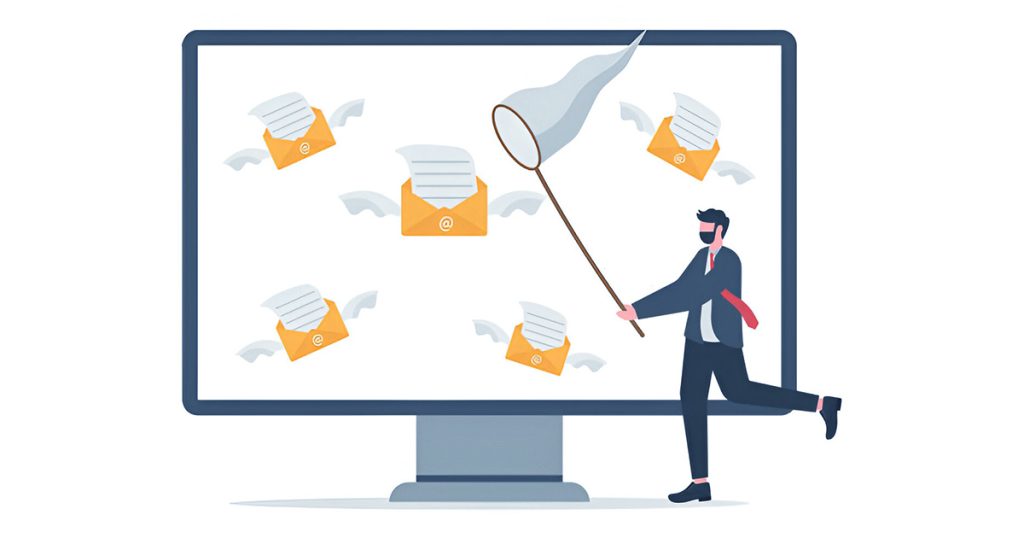
One of the simplest ways to mitigate the environmental impact of email automation is by reducing the number of emails sent. Many businesses send mass emails that may not always be relevant to the recipients, resulting in unnecessary energy consumption. By focusing on more targeted, personalized campaigns, businesses can avoid sending excessive emails.
For example, businesses using email marketing automation services should segment their customer base effectively to ensure they only send emails that are genuinely relevant. Also, consider adjusting the frequency of emails. Opting for email marketing SaaS comparison tools can help businesses choose the best platforms that focus on high-quality over high-volume messaging.
2. Opt for Green Hosting Providers
To reduce the carbon footprint of automated email marketing services, businesses should choose hosting providers that utilize renewable energy sources. Many cloud service providers now offer “green” hosting, meaning their data centers are powered by renewable sources such as wind, solar, or hydroelectric power. By selecting a provider with a commitment to sustainability, you can help reduce the carbon emissions associated with this.
3. Use Efficient Email Platforms
Another way to minimize the environmental impact of email automation is by using more efficient platforms. While many free email automation services exist, they may not always be optimized for energy efficiency. Investing in email marketing automation services that prioritize performance and sustainability can be beneficial.
There are several tools available that provide more environmentally friendly solutions for automated customer service and email marketing. Look for platforms that invest in optimizing their operations and use less power to achieve the same results.
4. Recycle E-Waste Properly
Data centers and businesses that use automated email services must ensure that their old hardware is recycled properly. Many companies are now implementing take-back programs to help mitigate the environmental impact of e-waste. By recycling old servers and storage devices, businesses can significantly reduce the volume of e-waste generated by it.
5. Use Alternatives to Email Workflow
As businesses shift to a more sustainable future, they can also consider alternatives to traditional email workflows. While email automation is effective, it is not always the most eco-friendly option. Alternatives such as SMS marketing or social media automation can sometimes be more energy-efficient.
Benefits of Sustainable Email Automation Practices
Adopting more eco-friendly email practices doesn’t just benefit the environment it can also bring about a number of business advantages. Here are a few:
- Improved brand image: More consumers are concerned with the environmental impact of businesses. By adopting sustainable practices, such as reducing the carbon footprint of automated customer service email responses, you can improve your company’s reputation.
- Cost savings: By reducing the number of emails sent and optimizing your email automation software, businesses can reduce costs related to energy consumption and cloud storage.
- Compliance with regulations: With increasing pressure to reduce environmental impact, sustainable email practices can help businesses stay ahead of government regulations around carbon emissions and e-waste.
Conclusion
Email automation offers numerous benefits in terms of efficiency and customer engagement. It is essential for businesses to understand the environmental cost that comes with it. By focusing on reducing unnecessary emails, choosing green hosting, recycling e-waste, and exploring alternatives to email workflows, businesses can significantly reduce their environmental impact.
Adopting sustainable email marketing automation practices is not just good for the planet, it can also improve brand reputation, reduce costs, and help businesses comply with future environmental regulations. As it continues to evolve, it’s important to balance convenience with sustainability, ensuring a greener future for all.
Frequently Ask Question (FAQ)