
Email marketing automation is a game-changer for businesses of all sizes, offering the ability to engage customers with personalized communication while saving time and effort. Whether you’re aiming to improve customer service, boost sales, or nurture leads, automation provides a streamlined solution. In this guide, we’ll walk you through everything you need to know to start with email marketing automation, covering strategies, tools, and best practices.
What Is Email Marketing Automation?
Email marketing automation is a smart way to connect with your audience without constant manual effort. It uses software to automatically send tailored emails triggered by specific actions or timelines.
It’s like having a virtual assistant who ensures every customer gets the right message at the right moment whether it’s a friendly follow-up, a product recommendation, or an instant acknowledgment of a support request. vNode Digital is the best company to help you in this way. This approach saves time, boosts engagement, and keeps your communication consistent and relevant.
Why Use Email Marketing Automation?
If you’re considering automated email marketing services, here are some key benefits:
- Efficiency
Send thousands of emails without manual intervention. Automation frees up your team’s time, allowing them to focus on strategy. - Personalization
Tools like email marketing automation services enable you to craft tailored messages based on user behavior, such as browsing history or past purchases. - Consistency
Automated workflows ensure every customer interaction feels seamless, from initial contact to follow-ups. - Cost-Effective
Free email automation services are great for small businesses, while advanced tools offer scalable solutions for growing organizations. - Actionable Insights
Metrics like open rates and click-through rates help you optimize campaigns for better results.

How to Start with Email Marketing Automation
1. Define Your Goals
Identify what you want to achieve with automation. Examples include:
- Improving customer service with automated email responses.
- Boosting conversions through personalized product recommendations.
- Re-engaging inactive subscribers with targeted campaigns.
2. Choose the Right Tool
The market offers various email automation services tailored to different needs. When selecting one, consider:
- Features: Look for templates, segmentation, and reporting tools.
- Scalability: Choose a platform that grows with your business.
- Budget: Free email automation services can be a great starting point.
3. Build Your Email List
A successful campaign starts with a well-segmented list. Group your audience based on:
- Demographics (age, location)
- Behavior (purchase history, browsing patterns)
- Preferences (interests, email frequency)
4. Design Automated Campaigns
Set up workflows for different scenarios. For example:
- Welcome Emails: Greet new subscribers and introduce them to your brand.
- Cart Abandonment Emails: Remind users of items left in their cart.
- Follow-Up Emails: Reconnect with customers after a purchase.
Real-Life Applications of Email Marketing Automation
- Customer Support
Automate responses to common queries using templates like:
“Thanks for your message. Here are some helpful resources while we review your request.” - Lead Nurturing
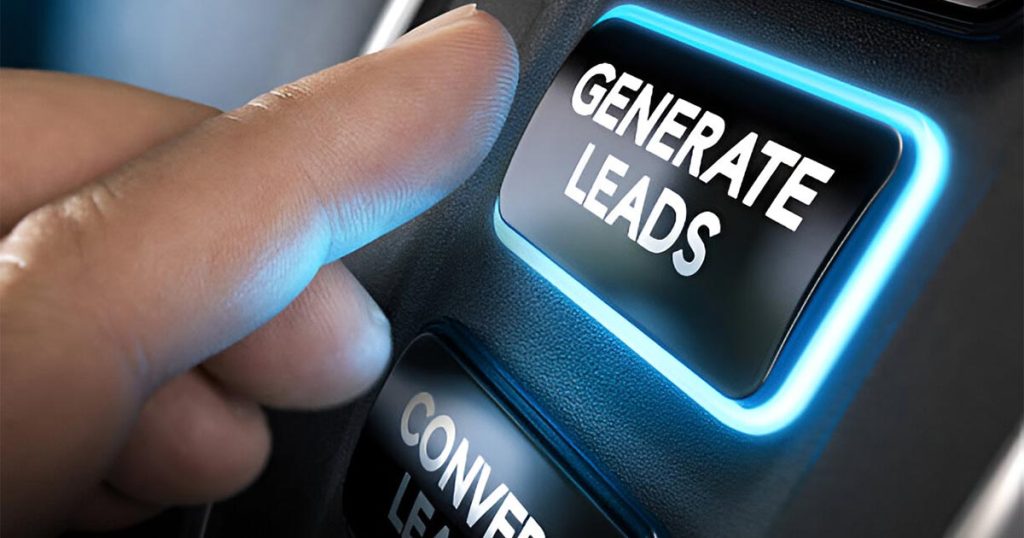
Use email marketing automation services strategies to guide potential customers through the sales funnel with timely, relevant content. - Promotions
Share exclusive offers or discounts with segmented audiences to drive sales. - Re-Engagement
Win back inactive customers with personalized messages or incentives.
Best Practices for Email Marketing Automation
1. Focus on Quality Content
Your emails should provide value, whether it’s solving a problem, offering advice, or delivering exclusive deals.
2. Test and Optimize
Experiment with subject lines, layouts, and calls-to-action (CTAs) to determine what works best. A/B testing is invaluable for this.
3. Use Data Effectively
Leverage analytics to refine your approach. If open rates are low, try tweaking your subject lines or delivery times.
4. Stay Compliant
Adhere to regulations like GDPR by ensuring you have permission before emailing someone. Always include an easy opt-out option.
5. Continuously Learn
Invest in an email marketing automation course to stay ahead of trends and master advanced techniques.
Email Automation in 2024: What’s Next?
As businesses strive for efficiency, automation tools are evolving to offer even more value. Look out for:
- Enhanced personalization through AI-driven insights.
- Advanced analytics to measure campaign ROI.
- Better alternatives to traditional email workflows for multichannel integration.
Agencies and specialists are also playing a critical role in helping businesses navigate these changes. If you need expert guidance, consider working with an email marketing consulting service.
Conclusion
Email marketing automation is a powerful tool that can drive engagement, save time, and boost revenue when used effectively at a very minimal price. From automated customer service emails to advanced marketing campaigns, the possibilities are endless. Start small, refine your strategy, and scale as your business grows.
By implementing the tips and tools shared here, you’ll be well-equipped to create impactful campaigns that resonate with your audience. Ready to take the plunge? Explore automated email marketing services today and unlock the full potential of your marketing efforts!